Electronic Industry
The electronic product industry relies on the use of plastics due to their lightweight, durable, high-performance, and cost-effective nature in producing increasingly complex electronic products. Plastics are an integral component of all types of electronics design and manufacturing, with unique characteristics that include excellent insulation properties (both thermal and electric), high mechanical strength, and great design adaptability. Plastics are used in both consumer electronics and industrial/commercial electronics, providing continuity of functionality and the necessary level of safety and emergency reliability throughout the life of a product.
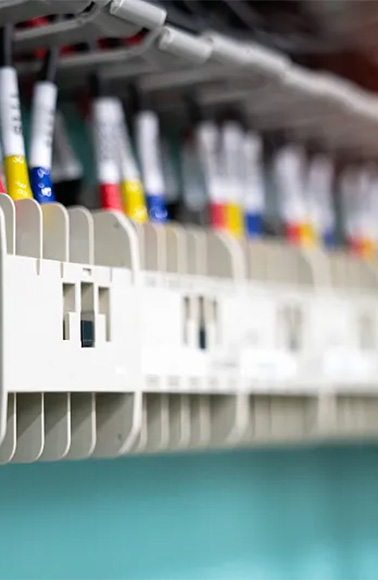
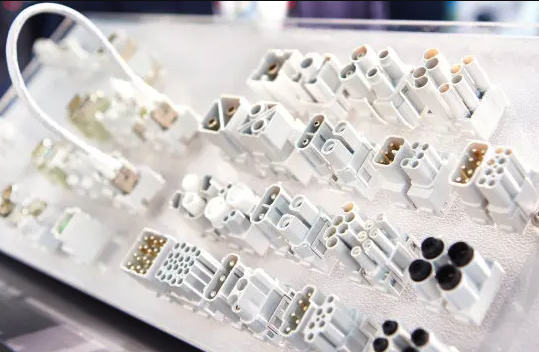
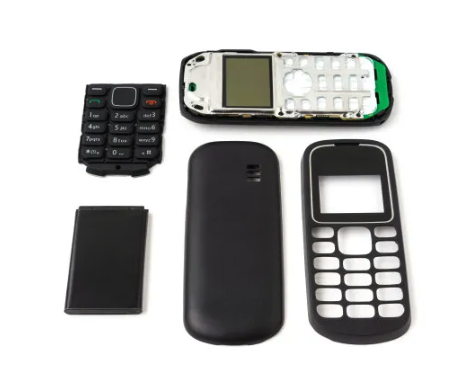
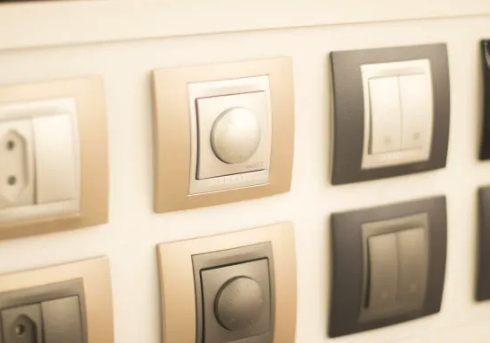
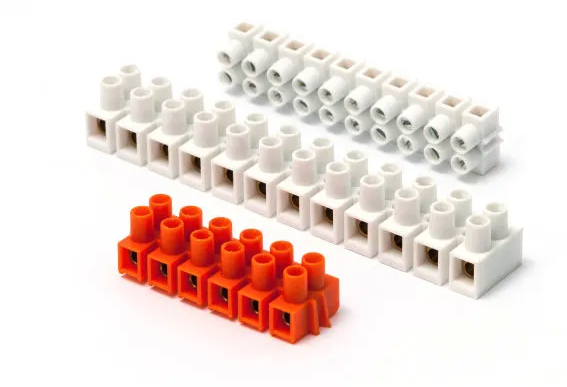
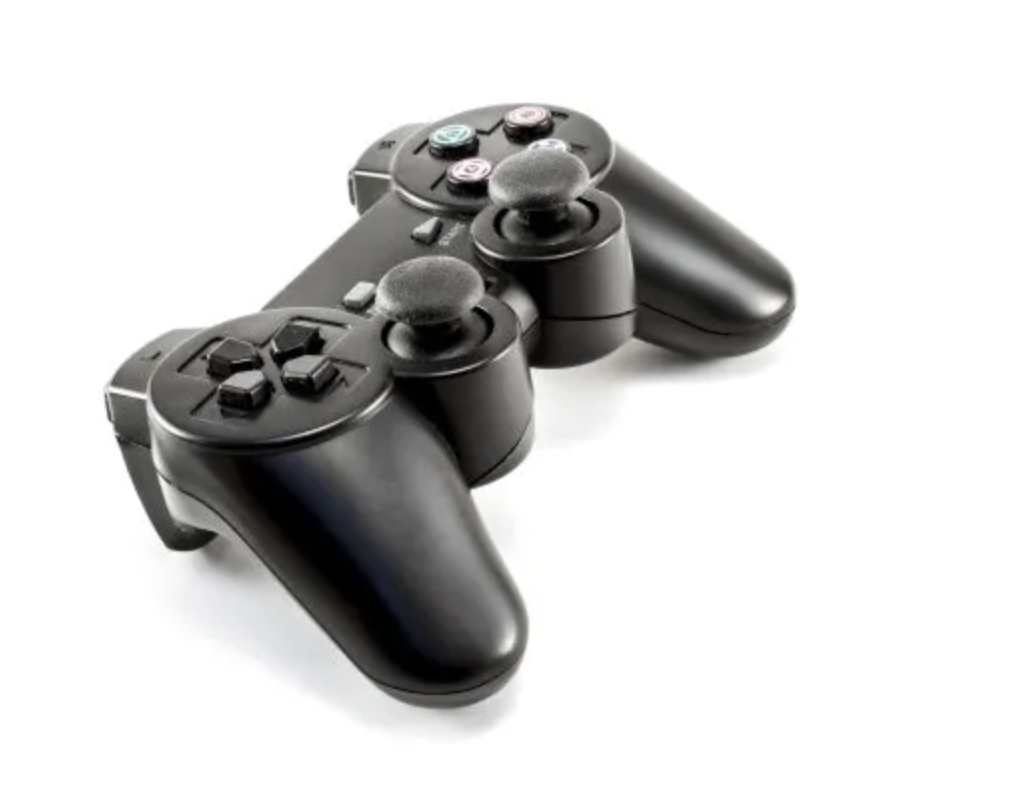
For example, manufacturers commonly use plastic in making smartphones, laptops, televisions, tablets, fitness trackers/ wearables, gaming systems, and other consumer appliances. In addition, plastics are also utilized in a variety of electronic connector types, switches, fabrication methods, cable insulators, flexible circuit boards, and housing; all of which protect internal electronics from damage by heat, moisture, dust, and a variety of unexpected mechanical forces. Plastic parts manufactured using injection molding methods are consistent and accurate enough to ensure that the dimensions are as designed, which is critically important in electronic applications because even the smallest deviation from the design dimensions can result in unexpected performance.
Advantages of Plastics in the Electronic Industry
· Lightweight Construction
Compared to metals and ceramics, the relative lightness of plastics creates a reduction in the overall weight of portable electronic devices. This aspect of design is of particular importance for portable electronic devices such as smartphones, laptops, fitness trackers/ wearables (e.g., smart watches), and wireless accessories (e.g., Bluetooth speakers). The use of lightweight components allows for increased user comfort, improved portability, and enhanced energy efficiency during operation by allowing users to carry the devices with ease and use them for longer periods without the need to recharge.
· Excellent Electrical Insulation
Plastic is an excellent electrical insulator that provides safety to people who use it and protects the internal electrical parts of an electronic device from electrical shocks. The properties of plastic allow it to be used for a variety of applications, including the casing of electrical connectors, cables, and switches, to ensure the safe use of electrical equipment and reduce the risk of short circuits or electronic device failures.
· Corrosion and Chemical Resistance
Unlike most metals, which will rust or corrode when exposed to moisture, chemical substances, or extreme variation in environmental conditions, many plastics will not corrode. Because plastic does not rust, it has a longer life and can be used in environments where high humidity is present (i.e., humidity), in outdoor electronic products, and in industrial applications where products are frequently exposed to harsh conditions such as extreme temperatures, chemical substances, etc.
· High Design Flexibility
Plastic is molded into complex shapes with intricate detail and very tight tolerances, allowing for the manufacture of creative designs, compact internal structure, and multi-functioning components. Injection molding also allows plastic manufacturers to incorporate many features into one part, which reduces the time required to assemble products and improves production efficiency.
· Durability and Impact Resistance
Plastic products manufactured with modern engineering plastics are very strong and impact-resistant, protecting the electronic products from being dropped, vibrated, and used daily. The durability of modern plastics leads to longer-lasting products, reducing the number of electronic products that fail and improving customer satisfaction.
· Cost-Effectiveness in Mass Production
For high-scale production, plastic will typically be less expensive than metals or ceramics. When using injection molding, a company can cycle rapidly through the production of many plastic parts. Through this rapid production methodology, the production costs for each individual part are reduced significantly while providing the highest standards.
· Aesthetic Versatility
Colored, textured, or finished plastics give manufacturers a wide variety of visual aesthetic options in their products. Because of this versatility in aesthetics, manufacturers have the opportunity to create products with a modern, attractive, and ergonomic design that meets branding and consumer preferences.
Electronic Industry
Plastics play a pivotal role in the electronics industry, significantly contributing to the design, functionality, and longevity of electronic devices. Here are some key aspects of plastic utilization in this sector:
Plastics are employed in a wide range of consumer electronics, including smartphones, laptops, televisions, electrical components, connectors, fasteners, flexible circuit boards, and consumer products such as headphones, gaming consoles, and appliances. They provide protection, aesthetic appeal, insulation, durability, and resistance to wear.
The advantages of plastics are as follows:
Lightweight: Reduces overall weight, which is particularly advantageous for portable devices.
Corrosion Resistance: Many plastics exhibit resistance to corrosion, extending the lifespan of devices.
Design Flexibility: Plastics can be molded into intricate shapes, enabling innovative designs.
Cost-Effectiveness: Generally, plastics are less expensive than metals or ceramics, contributing to reduced overall production costs.









 中文
中文 English
 Français
 Русский язык
 Deutsch
 Português
 español
 हिंदी
हिंदी بالعربية