Toys Industry
Importance of Injection Molding in Toy Manufacturing
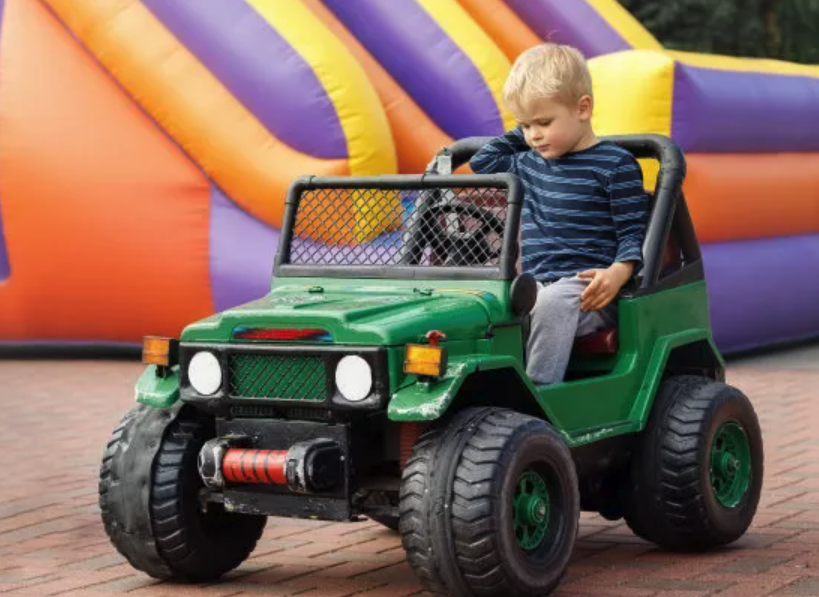
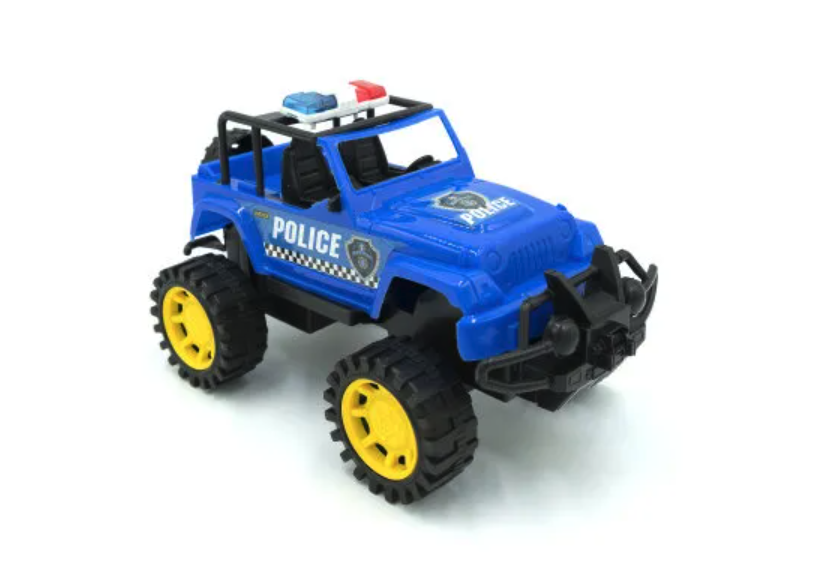
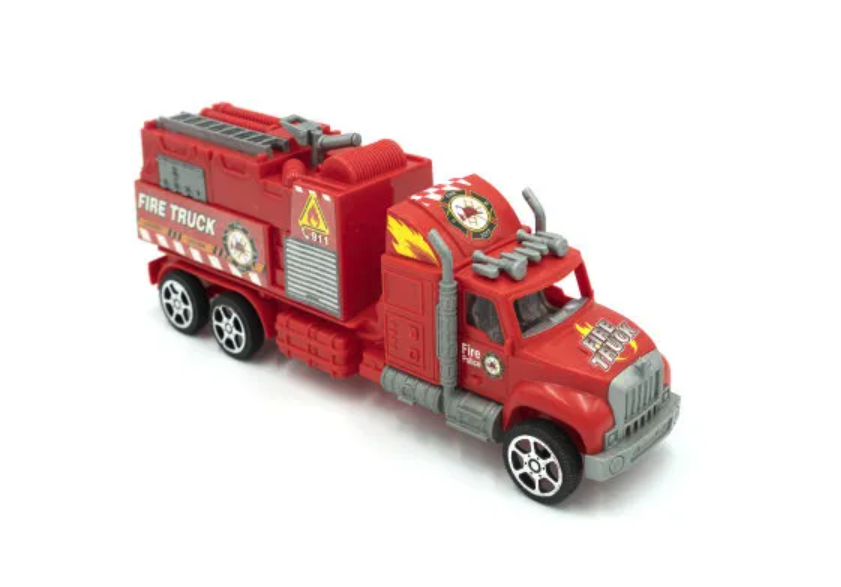
Injection molding machines are an essential component of the toy industry, producing large numbers of plastic toys quickly and efficiently, while also producing high-quality products. Modern toy manufacturers require precision, uniformity, safety, and aesthetic appeal for their products; these requirements can all be met with the use of today’s injection molding equipment. As consumer expectations continue to increase and as safety standards become stricter, injection molding will continue to be an important and scalable production method for supporting toy industry growth and new product development.
Wide Range of Materials for Toy Production
Injection molding machines are designed to process a wide variety of thermoplastic materials that are typically used in the production of toys. The most common plastic materials used in toy production include ABS (acrylonitrile-butadiene-styrene), polypropylene (PP), and polystyrene (PS) because of their superior strength, flexibility, durability, and safety features. These materials are also lightweight, non-toxic, impact-resistant, and safe to use for children's toys from birth through adolescence. In addition to these qualities, toy manufacturers can add other types of materials to their plastic resins in order to modify the color, surface finish, and other performance characteristics of the toys. Examples include the addition of pigments to add vibrant colors, the addition of additives to improve surfaces, and the addition of UV inhibitors for outdoor use or enhanced toughness for extended play.
Design Flexibility and Creativity
Design Flexibility is one of the greatest advantages of Injection Molding in the Toy Industry. Injection Molding allows for the manufacture of Highly-Centric Toys with Complicated Designs and Small Details and smooth surfaces, which other manufacturing methods cannot provide. This level of Design Flexibility makes it possible to produce Interactive Toys, Educational Products, Action Figures, Stacking Blocks, and Customizable Components for Toys. Numerous Individual Molded Items can also be manufactured as 1 Molded Item, thus reducing Assembly Lead Times and increasing the Overall Product Strength.
High Consistency and Product Quality
Injection Molding provides Consistency of Quality of Products. Consistency of Product Quality is critical for the Toy Industry to ensure the Safety, Functionality, and Compliance of the Product to International Standards, thus ensuring that All Molded Toy Parts are made using the exact same dimensions and Material Properties, and therefore it minimizes defects, reduces reject rates, and guarantees that all toys comply with very strict quality and safety standards.
Fast Production Cycles and Efficiency
Injection Molding has a relatively short production cycle, generally taking anywhere from a few seconds to a few minutes per cycle. The process has three phases: injection phase, cooling phase, and ejection phase (each is automated). The fast cycle times allow for the mass production of toys in the required volumes according to the peak seasons and market trends, allowing the manufacturers to efficiently utilize their automation to reduce their labour costs, therefore enhancing their production efficiency.
Cost-Effectiveness for Mass Production
The initial cost of developing molds can be very high; however, injection molding can be one of the most cost-effective forms of producing a high volume of toys on a commercial scale. As the volume of production increases, the cost per unit produced decreases significantly. Injection molding can also provide minimal waste of material used and allows for the most efficient use of raw materials, which contributes to the overall reduced cost of manufacturing toys, making it an excellent option for mass-market toys.
Safety and Compliance
Safety in toy production is of the utmost importance. Injection moulding technology has allowed manufacturers to use child-safe and certified materials, while also being able to control the design of the product very precisely. This means that toys produced by this process have many fewer sharp edges or potential hazards than other methods of production, which means they also meet international standards for toy safety.
Future of Injection Molding in the Toy Industry
As technology continues to progress, we see improvements in the efficiency, precision, and energy-saving qualities of injection moulding machines. As these technologies continue to advance, they will support further innovation, sustainable practices, and creative design in the toy industry.
Toys industry
Injection molding machines are indispensable to the toy industry, offering efficient, high-quality, and cost-effective solutions for the design and manufacture of a diverse range of plastic toys. As technological advancements continue, the capabilities and efficiencies of injection molding are anticipated to further improve, thereby supporting ongoing innovation within the toy industry.
Injection molding machines are capable of processing a diverse range of thermoplastics, including ABS, polypropylene, and polystyrene. These materials are widely utilized in the toy manufacturing industry due to their exceptional strength, flexibility, and safety properties. Additionally, manufacturers have the capability to incorporate additives that enhance colour, texture, and specific functionalities, such as UV resistance for outdoor toys.
Injection molding processes result in highly consistent product quality, which is paramount in the toy industry to ensure both safety and functionality. Once the mold is established, the cycle time, encompassing the injection, cooling, and ejection phases, can be remarkably short, typically ranging from a few seconds to a few minutes.


 中文
中文 English
 Français
 Русский язык
 Deutsch
 Português
 español
 हिंदी
हिंदी بالعربية